About This Course
Many already understand the importance of metadata for cultural heritage objects. What is sometimes overlooked is that every type of media has its own nuances in the metadata that can - and should be - captured with every object. The metadata of an 3D object is different from a photograph of the same object. This short course starts from the beginning by explaining the concept of metadata in general before discussing the specific types of metadata for 3D models.
Even when you're already familiair with metadata, it is still advised to complete the entire course to learn how already familiair concepts can be different in the context of 3D.
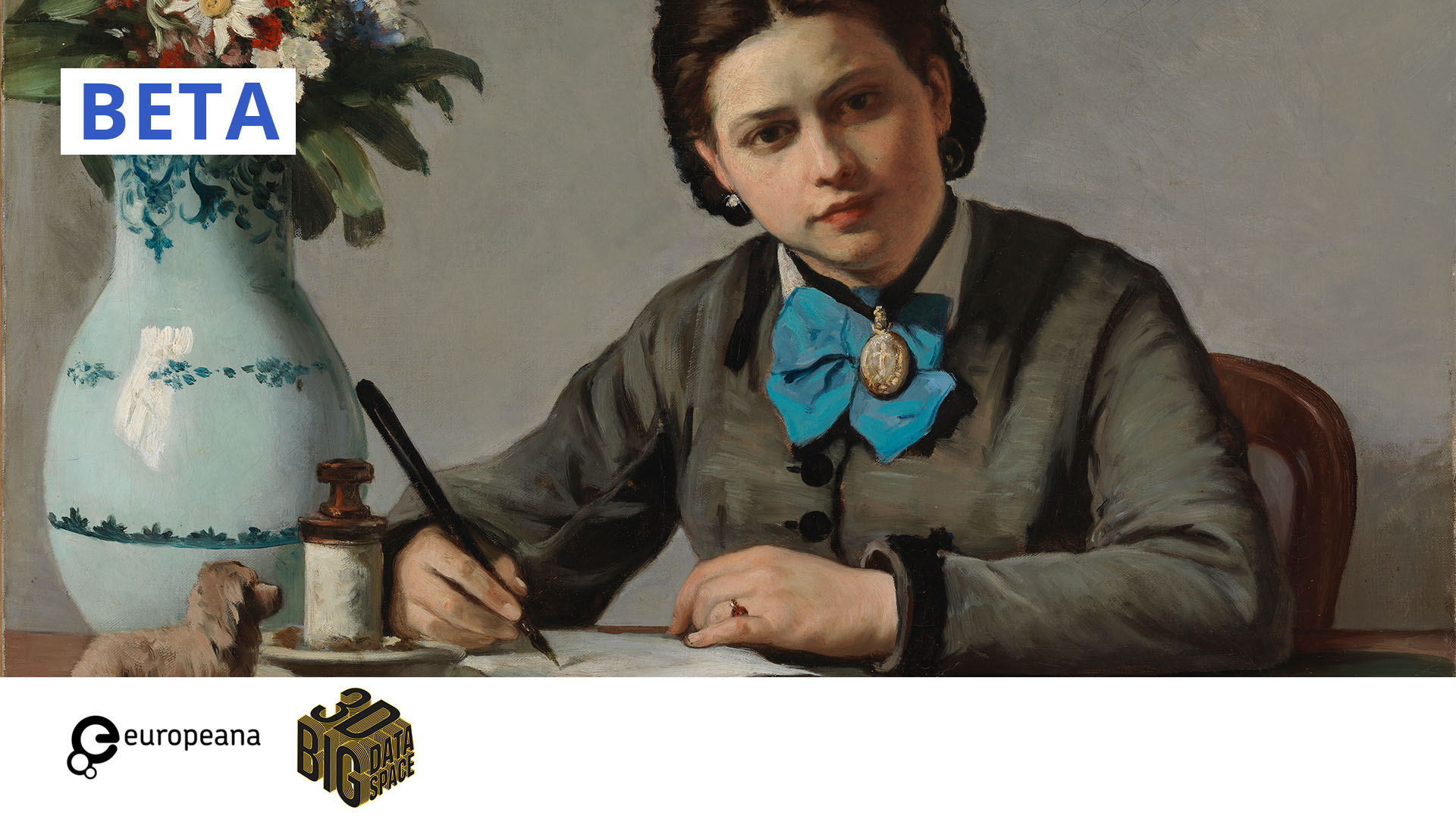
Image: A Girl Writing, 1872, by Adolf von Becker. Public Domain, available through the Finnish National Gallery Collection / Ateneum Art Museum
Requirements
For the best learning experience, you'll need:
- Around 30 minutes to complete the course.
- A laptop, desktop computer or tablet. The course should work on smaller mobile devices, but the embedded 3D models might not show up correctly.
Course Staff
Tadhg Charles
Tadhg is a researcher and practitioner specialising in the 3D digitisation of cultural heritage, with a particular focus on creating high-quality digital representations that improve accessibility and public engagement. His work combines advanced 3D capture technologies with inclusive design approaches, including the development of tactile museum experiences for people with disabilities. Tadhg's expertise spans the practical application of photogrammetry and 3D modelling, as well as the integration of digital heritage into museum interpretation and preservation workflows. Through his research, he helps cultural heritage organisations use 3D technologies to preserve, share, and make collections accessible to wider audiences.
Maike Dulk and Sebastiaan ter Burg
Maike and Sebastiaan both work for the Europeana Foundation on training development and delivery through the Europeana Academy. They have supported the development of this course.