About This Course
This course introduces storytelling as a means of communicating your ideas with audiences. It introduces Europeana's 7 digital storytelling tips for cultural heritage, and the editorial formats and style used by Europeana. It then helps you to understand what to consider when creating your own blog, such as structure, tone of voice and editorial guidelines. By the end of the course, you will have had the opportunity to write a complete blogpost.
This course is self-driven (you are responsible for ensuring that you have completed a task before moving on) and you will receive a certificate of completion at the end.
If you are taking the instructor-led version of this course on Zoom with the Europeana Academy, it would be helpful to attend the sessions with some ideas of areas you're interested in exploring and writing about.
Who is this course for?
This course is for you if you recognise yourself in one or more of the descriptions below. You are:
- New to writing editorial for Europeana.eu or for other platforms, and may work for an organisation whose digitised collections are available on Europeana.eu
- A cultural heritage professional who wants to promote the digitised cultural heritage collections your institution has made available via Europeana.eu, using storytelling formats.
- An academic/researcher who wants to present their research, or a member of a university communications teams who wants to promote their institution’s collections in a storytelling format.
- An educator looking for collections to include in learning scenarios or other educational material, for whom storytelling can be a powerful tool.
Learning goals
- Understand our 7 tips for digital storytelling.
- Understand Europeana’s editorial guidelines.
- Understand how to plan and write your own story/blogpost.
Related courses
In order to take this course, it is useful to have a good working knowledge of searching and filtering results on Europeana. You may wish to take 'Exploring Europeana.eu: discover, search, and reuse European cultural heritage' before continuing.
Requirements
For this course you will need:
- A computer, ideally with two monitors - so you can look at the course and the Europeana website side by side.
- A minimum of 180 minutes of your time in total - how long you spend researching, writing and editing your story is up to you. The course consists of 4 modules which you do not need to complete in one sitting. In fact, we recommend a couple of breaks to let your ideas - and your coffee - percolate.
Course staff
Dr Beth Daley
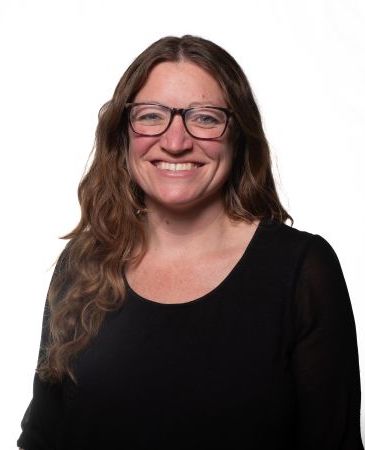
Beth is a cultural and creative writer and Europeana's Editorial Adviser. She works on helping engage a broad range of audiences in Europeana’s work and content. She has a PhD in Creative Writing, runs workshops and has published a novel called ‘Blood and Water'.
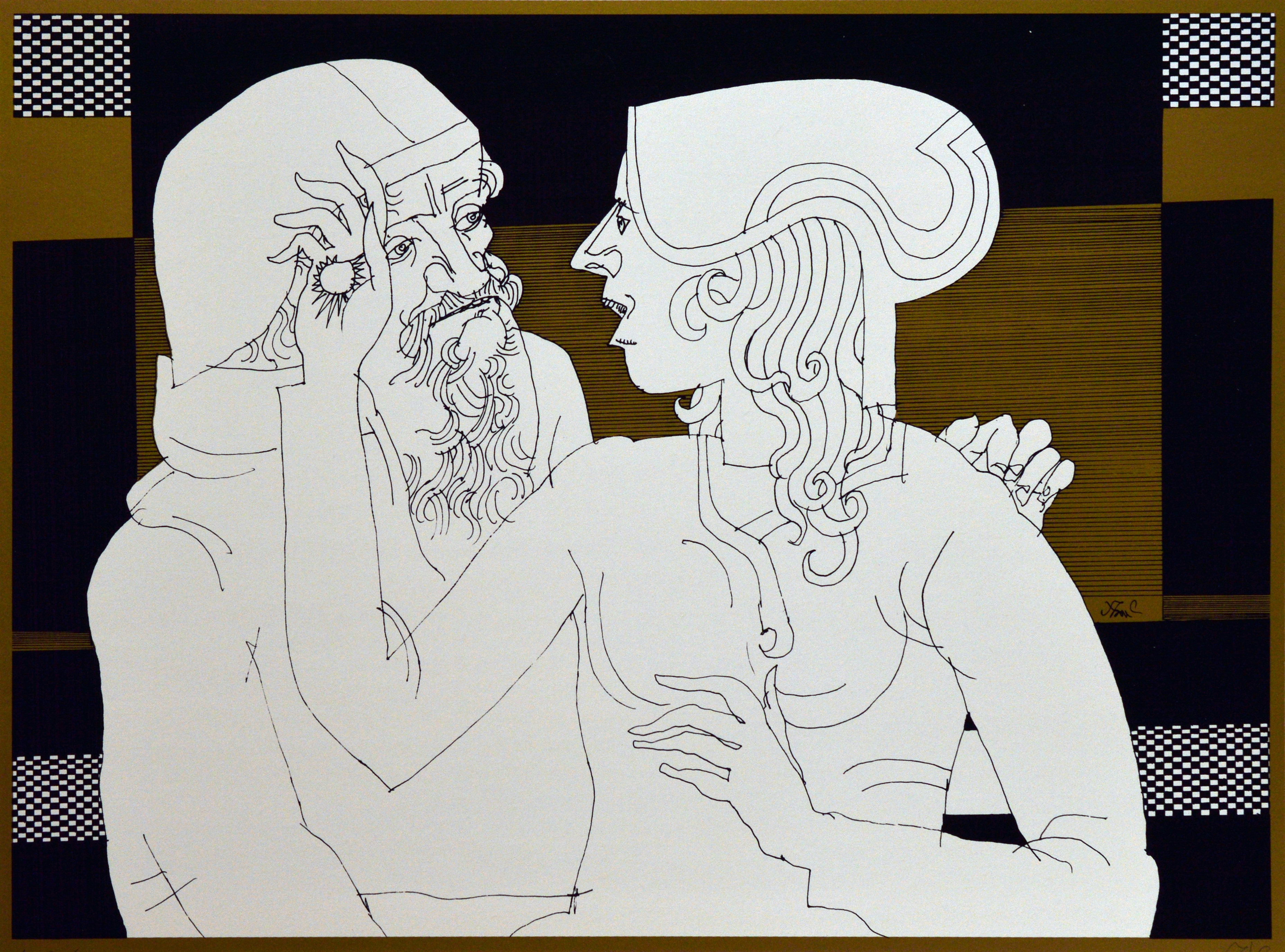
Course image is Házsártos feleség by Szász Endre - Rippl-Rónai Municipal Museum with County Scope - Kaposvár, Hungary - CC BY.